

Testosterone Replacement Therapy for Men
Testosterone Replacement Therapy (TRT)
What is testosterone replacement therapy (TRT)?
Testosterone replacement therapy (TRT) is an option for men who have low testosterone levels due to male hypogonadism. TRT involves taking manufactured forms of testosterone to regulate your levels of this hormone.
Who is TRT for?
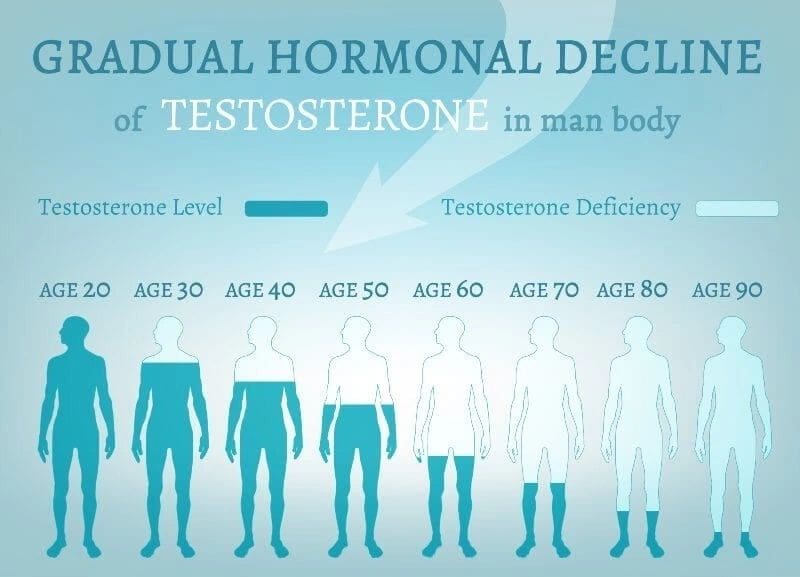
The U.S. Food and Drug Administration (FDA) approves testosterone replacement therapy for males who have low testosterone levels due to a known medical condition (hypogonadism). However, we can still treat age-related low testosterone safely when necessary, under medical supervision. There are many reasons testosterone levels may fall as we age - lifestyle, diet, environmental, medications, chronic illness, etc.


What happens before starting TRT?
Before starting TRT, your healthcare provider will make sure low testosterone is an accurate diagnosis. They’ll also make sure TRT is safe for you. They’ll ask about your medical history and do a physical exam. They may order the following blood tests:
- Testosterone free and total (for diagnosis)
- Complete blood count
- Liver function tests & Metabolic panel
- Luteinizing hormone levels
- PSA (prostate-specific antigen) test
- Prolactin blood test
How does TRT work?
With TRT, you take a manufactured form of testosterone to regulate your levels. This can help improve the symptoms of low testosterone, like low libido and lack of energy.
TRT doesn’t fix or cure the underlying cause of low testosterone. In fact, when on TRT you body will not produce its own testosterone. If you stop taking testosterone, your body usually recovers its ability to make testosterone again over time.
Testosterone replacement therapy has several different forms, including:
- Testosterone skin gels. You apply the gel every day to clean, dry skin as directed. It’s important that you don’t transfer the gel to another person through skin-to-skin contact while the gel is wet. Testosterone skin gels are one of the most common forms of TRT in the U.S.
- Testosterone injections. You give the injections into a muscle every one to two weeks. Subcutaneous testosterone injections. You give the injections under your skin every week.
- Testosterone patches. You apply these patches every day to your skin as directed. You usually have to switch up their location to avoid skin reactions.
- Testosterone pellets. A provider implants these pellets under your skin every three to six months. The pellets provide consistent and long-term testosterone dosages.
- Buccal testosterone tablets. These are sticky pills that you apply to your gums twice a day. The testosterone absorbs quickly into your bloodstream through your gums.
Your healthcare provider will work with you to figure out which option is best for you. After you start TRT, you’ll need follow-up testing. This includes monitoring your testosterone level and getting other blood tests to make sure TRT isn’t harming your health.
What are the benefits of TRT?
Testosterone replacement therapy can improve many of the symptoms of low testosterone.
TRT may improve your:
- Sexual and erectile function
- Lean muscle mass
- Bone mineral density
- Improved Mood
- Energy levels
- Sense of well-being


What are the side effects of TRT?
The side effects of testosterone replacement therapy include:
- Acne or oily skin
- Swelling in your ankles caused by mild fluid retention
- Stimulation of your prostate, which can cause urinary symptoms, increased PSA blood levels
- Breast enlargement (gynecomastia) or tenderness
- Worsening of sleep apnea
- Skin irritation (if you use topical testosterone replacement)
- Decrease in sperm count, leading to infertility
- Increased red blood cell count, thickening of blood, which may require intermittent blood donation to treat.